OCTOBER 26, 2021
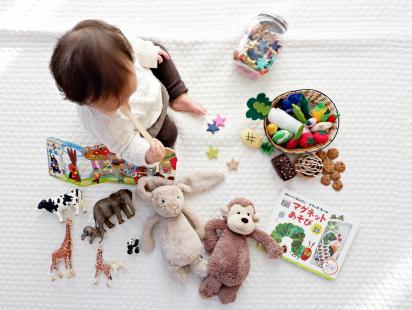
Qualifications are not everything in the job market. Knowing how to be patient, work in a team, and manage your emotions are all highly valued skills. These so-called non-cognitive or social-emotional skills are developed during a key period in our life: childhood. Economists Simon Briole, Hélène Le Forner, and Anthony Lepinteur reveal in a recent study how sibling size influences the development of social-emotional skills and has the dependent variable of gender.
Read the article on
https://www.dialogueseconomiques.fr/en/article/social-emotional-skills-should-you-have-large-family

Latest publications

When economic precarity compounds the harms of homophobia
In many low- and middle-income countries, being LGBTQIA+ entails a double burden: discrimination compounded by economic precarity. Economists Bruno Ventelou and Erik Lamontagne reveal how this combination can undermine mental health, by cross-referencing global data on wellbeing, economic conditions, and the homophobic climate.
In Spain, economic policy has been conducive and has benefited from favourable circumstances
Only in French - An op-ed by Cecilia García Peñalosa (CNRS, EHESS, AMSE) and Alain Trannoy (EHESS, AMSE) published in the newspaper Le Monde.
The True Price of CO₂
In 2024, a grim record was set: it was the hottest year ever recorded on Earth. The signs of climate upheaval are now visible to all, as global warming manifests itself in a rapid rise in extreme weather events. In theory, the solution is straightforward: we must stop burning fossil fuels. In practice, phasing out energy sources so firmly entrenched in contemporary societies is an immense challenge. To reduce CO₂ emissions, economists — trained in cost–benefit analysis — can help policymakers design strategies that are both effective and socially acceptable.