JANUARY 4, 2022
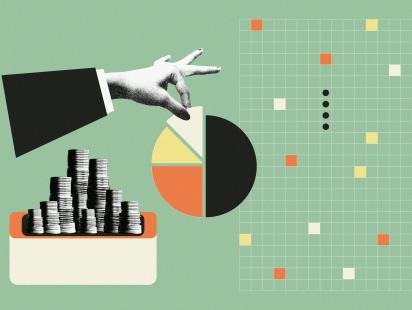
Reducing overall plastic consumption, vaccinating enough people to curb a pandemic, or donating to charity – these are all divisive issues. If I want to contribute, will my actions make any difference? What cost am I willing to pay? Economists Nicolas Gravel and Anwesha Banerjee study the extent to which an individual’s beliefs on issues such as these can influence the actions taken. Their research shows that the more closely a group's members are aligned on an issue, the more likely the group is to act toward the public good.

Read the article on
https://www.dialogueseconomiques.fr/article/croyances-divergentes-et-enjeux-de-societe-communs-quel-resultat

Latest publications

"Les mots de l'éco" a quiz for informed citizen
Public debt, inequality, degrowth… Come test your knowledge of economic concepts that shape public debate...and are often misunderstood !
Swearing to tell the truth: taking an oath genuinely reduces witness lying
An article published on the CNRS SHS institute website that highlights research on oath, conducted by an interdisciplinary team of psychologists and economists, including Stéphane Luchini (CNRS, AMSE).
What does Thomas Piketty's report on global justice mean for financial markets?
A column by Alain Trannoy (EHESS, AMSE), published by 'Le Cercle des économistes'.