OCTOBER 12, 2021
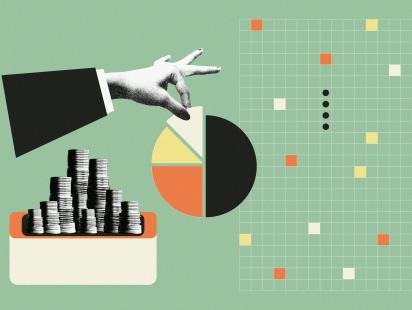
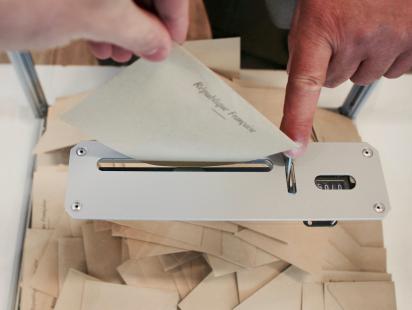
When you step into a voting booth, you are faced with a choice: who do you vote for? What happens to people who share the ideas of several parties at once? How can these people influence elections? These are the questions that Sacha Bourgeois-Gironde and João V. Ferreira answer in an article that examines how individuals divided between several ideologies can impact elections.
Read the article on
https://www.dialogueseconomiques.fr/en/article/voting-when-conflicted

Latest publications

When economic precarity compounds the harms of homophobia
In many low- and middle-income countries, being LGBTQIA+ entails a double burden: discrimination compounded by economic precarity. Economists Bruno Ventelou and Erik Lamontagne reveal how this combination can undermine mental health, by cross-referencing global data on wellbeing, economic conditions, and the homophobic climate.
In Spain, economic policy has been conducive and has benefited from favourable circumstances
Only in French - An op-ed by Cecilia García Peñalosa (CNRS, EHESS, AMSE) and Alain Trannoy (EHESS, AMSE) published in the newspaper Le Monde.
The True Price of CO₂
In 2024, a grim record was set: it was the hottest year ever recorded on Earth. The signs of climate upheaval are now visible to all, as global warming manifests itself in a rapid rise in extreme weather events. In theory, the solution is straightforward: we must stop burning fossil fuels. In practice, phasing out energy sources so firmly entrenched in contemporary societies is an immense challenge. To reduce CO₂ emissions, economists — trained in cost–benefit analysis — can help policymakers design strategies that are both effective and socially acceptable.