DECEMBER 9, 2025
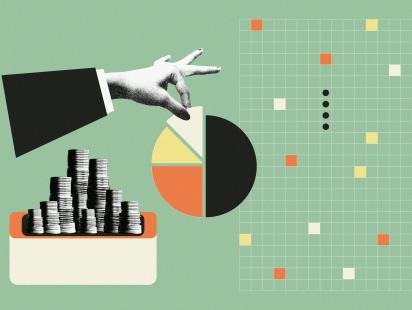
In 2024, a grim record was set: it was the hottest year ever recorded on Earth. The signs of climate upheaval are now visible to all, as global warming manifests itself in a rapid rise in extreme weather events. In theory, the solution is straightforward: we must stop burning fossil fuels. In practice, phasing out energy sources so firmly entrenched in contemporary societies is an immense challenge. To reduce CO₂ emissions, economists — trained in cost–benefit analysis — can help policymakers design strategies that are both effective and socially acceptable.
Member(s)
Fanny Henriet
Read the article on
https://www.dialogueseconomiques.fr/article/le-juste-prix-du-co2

Latest publications

Climate is a matter of money
A review of the book 'L'économie peut-elle sauver le climat' (PUF, 2025) by Fanny Henriet (CNRS / AMSE), published on the La Vie des Idées website.
A budget for 2026 and 2027
An op-ed by Alain Trannoy (EHESS / AMSE) published on "Le cercle des économistes" website.
When economic precarity compounds the harms of homophobia
In many low- and middle-income countries, being LGBTQIA+ entails a double burden: discrimination compounded by economic precarity. Economists Bruno Ventelou and Erik Lamontagne reveal how this combination can undermine mental health, by cross-referencing global data on wellbeing, economic conditions, and the homophobic climate.